One Minute to Make It Right: The Rise of the Unscripted Brand Apology Clip

Photo by Photo by Detail .co on Unsplash on Unsplash
Somewhere between the corporate lawyer's third draft and the CEO's media training session, something got lost. Authenticity. And audiences noticed.
For decades, the playbook for a brand in crisis was pretty simple: issue a formal statement, maybe schedule a softball interview, and wait for the news cycle to move on. It was slow, stiff, and — honestly — kind of insulting to the people you'd wronged. Now, a new generation of companies and public figures are scrapping the script entirely and hitting record instead. The result? A sixty-second clip posted directly to Instagram, TikTok, or YouTube that often does more reputational repair in an afternoon than a month of traditional PR ever could.
But here's the thing — it only works if you actually know what you're doing.
Why Sixty Seconds Hits Different
There's something almost poetic about the format. In a media landscape where attention is measured in fractions — where eight seconds can make or break a creator's entire career — a full minute feels almost generous. It's enough time to say something real, but short enough that audiences won't scroll away before you get there.
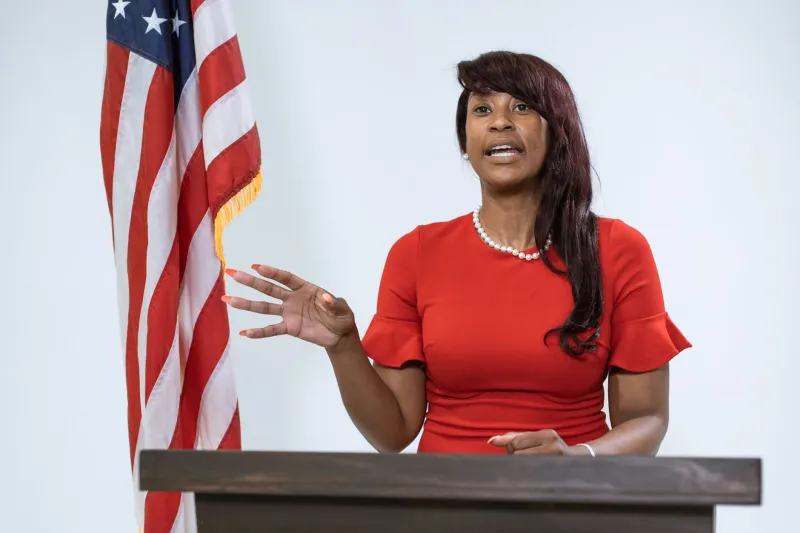
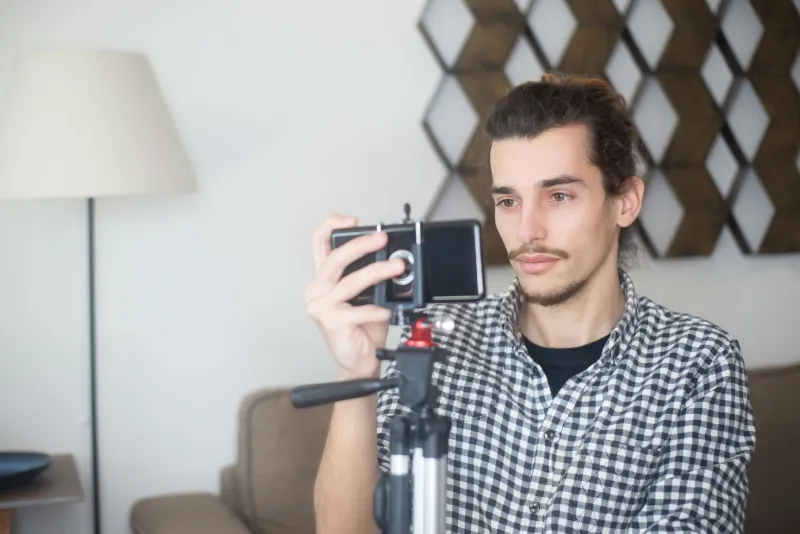
The format also strips away the buffer zone that traditional PR depends on. No spokesperson. No prepared remarks read from a podium. Just a face, a phone camera, and whatever you've actually got to say. Viewers are remarkably good at detecting the difference between genuine remorse and brand theater, and the intimacy of a vertical phone video makes it even harder to fake.
Marketing researchers have started calling this the "authenticity premium" — the measurable bump in consumer trust that comes specifically from low-production, direct-to-camera content during a crisis. Glossy visuals and carefully lit studio setups actually work against you here. The rougher the edges, the more people believe you.
When It Actually Works
The fashion industry has been an early adopter. Several mid-size clothing brands, after facing social media backlash over sizing, labor practices, or tone-deaf campaigns, have turned to founder-led apology clips with real results. The common thread in the ones that land? Specificity and speed.
Vague apologies — the "we're sorry if anyone was offended" variety — get destroyed in the comments within minutes. But a founder who looks directly into the camera, names exactly what went wrong, explains what's changing, and does it within 24 hours of the incident? That clip has a fighting chance.
Tech companies have had some notable wins here too. Smaller SaaS startups dealing with data breaches or service outages have used short video updates from their founders to maintain user loyalty that a boilerplate email blast never would have preserved. The message is basically the same, but the medium signals something different: we're human, we're here, and we're not hiding behind legal language.
Timing is everything — and we mean that literally. An apology clip posted 18 hours after an incident performs significantly better than the same clip posted 72 hours later, even if the later version is more polished. In the clip economy, a delayed response is practically a second offense.
When It Backfires Spectacularly
Of course, the format is also a minefield.
The most common mistake? Brands treating the short apology video like a press release with a face attached. If the person on camera is reading from notes, pausing awkwardly, or using corporate language like "we take this matter very seriously," the audience will clock it immediately — and the clip will get remixed, mocked, and redistributed faster than the original crisis ever spread.
There's also the problem of the non-apology apology. Short-form video culture has produced some genuinely sharp media critics, and they live in the comment sections. A sixty-second clip that hedges, deflects, or pivots to brand values without actually addressing the harm done will get picked apart frame by frame. The internet has infinite patience for that kind of forensic takedown.
And then there's the question of who's actually on camera. Some brands have made the mistake of sending out a mid-level PR rep or a social media manager to deliver an apology that really needed to come from the top. Viewers notice the hierarchy. If the CEO was the one who made the call that caused the problem, the CEO needs to be the one holding the phone.
The New Rules of the Sixty-Second Mea Culpa
Talking to brand strategists and crisis communications consultants across the country, a few consistent principles keep coming up.
Own the platform where it happened. If the backlash started on TikTok, your apology needs to live on TikTok first. Cross-posting is fine, but chasing the audience to a different platform feels like you're controlling the narrative rather than meeting people where they are.
Kill the production value. Seriously. No ring lights, no branded backgrounds, no carefully chosen wardrobe. A parking lot or a kitchen table communicates more sincerity than any studio setup.
Say the specific thing. Not "we fell short of our values" — say what actually happened, in plain language, without a legal team's fingerprints all over every sentence.
Keep the comments open. This one takes guts, but brands that disable comments on apology videos immediately signal that they're not actually interested in accountability. Leaving them open — and responding to a few — can turn a rough comment section into a recovery narrative.
The Bigger Shift
What the rise of the sixty-second apology clip really tells us is something broader about where consumer expectations have landed in 2024. People don't just want brands to do better — they want to see brands reckon with failure in real time, in a format that feels like a conversation rather than a press conference.
The clip economy didn't invent accountability. But it did change the timeline, the format, and the stakes. Every second of that minute is being watched, rewound, and judged. The brands figuring that out are the ones coming out the other side intact.
The ones still drafting five-paragraph statements? They're still catching up.