Dead on Arrival: What Really Kills a Perfectly Good Clip Before Anyone Sees It
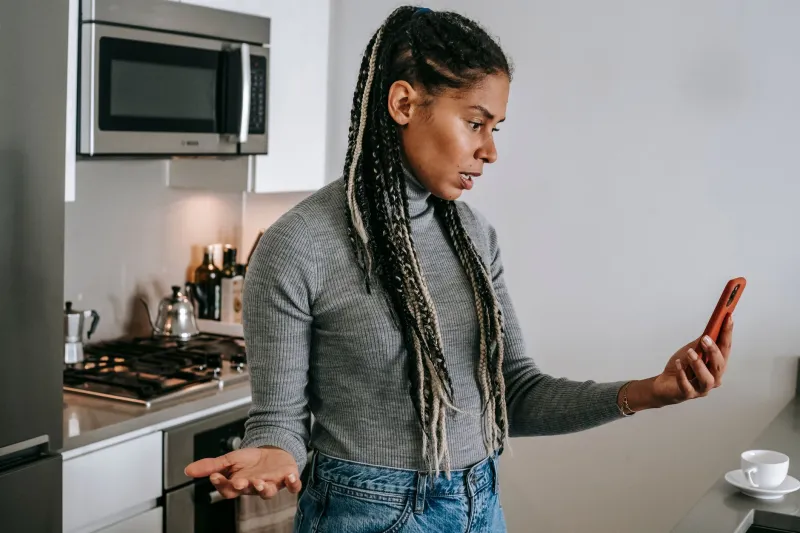
Somewhere out there is a video that should have broken the internet. The lighting was perfect. The hook landed in the first two seconds. The creator even did the research — posted on a Tuesday, mid-morning, right when the algorithm supposedly rolls out the welcome mat. And then? Crickets. A few hundred views. Maybe a sympathy like from a friend.
This is not a rare story. It's practically a genre at this point.
The conversation around short-form video success tends to fixate on what went right for the clips that blew up. But there's a much messier, more instructive story hiding in the ones that didn't — the near-misses, the technically sound videos that got swallowed whole by the feed and never came back up. If every second counts, then understanding why some seconds get counted and others get skipped entirely is the whole game.
The Myth of the Perfect Post
Let's start with the uncomfortable truth: there is no formula. There are patterns, sure, and best practices that tilt the odds in your favor. But the idea that a creator can engineer virality through precision alone is one of the most persistent myths in the content space.
Take the case of educational creators on TikTok who spent months A/B testing their formats in late 2022. Shorter intros, faster cuts, trending audio — all the boxes checked. Some of those videos hit. A lot of them didn't. The ones that flopped weren't worse. They were just... unlucky. Or more precisely, they ran into a wall of variables that no amount of craft could overcome.
Algorithm luck is real, and it's brutal. Platforms like TikTok and Instagram Reels don't serve your video to a massive audience right out of the gate. They test it — small batches of users, watching to see how they respond. If that first wave of viewers doesn't engage fast enough, the video gets quietly buried. It doesn't matter how good it is. The algorithm already moved on.
When the Room Is Already Full
Audience saturation is another killer that doesn't get talked about enough. There are moments when a topic, a format, or even a specific vibe gets so thoroughly covered that the internet basically puts up a "no vacancy" sign.
Remember the wave of "silent walking" content in the fall of 2023? For about ten days, that format was everywhere. Creators who jumped on it during the peak did well. Creators who posted their version just four or five days later — even with higher production quality — largely got nothing. The audience had already processed the trend. They were done.
This is what cultural timing actually means, and it's different from clock timing. You can post at the statistically ideal hour and still be too late to the cultural conversation by a week. The window isn't just about when in the day you post. It's about where that topic sits in the collective attention cycle. And that window can slam shut faster than any analytics dashboard will tell you.
Platform Saturation: The Volume Problem
Here's a number worth sitting with: over 34 million hours of video content are uploaded to the internet every single day. That's not a typo. The sheer volume of content competing for eyeballs at any given moment is genuinely staggering, and it creates a structural disadvantage that timing and quality alone can't solve.
Platform saturation hits smaller and mid-size creators the hardest. When a platform is in a growth phase, the algorithm tends to be more generous — it needs content to feed new users, so it casts a wider net. But as platforms mature and the content supply explodes, the algorithm gets pickier. The threshold for what gets pushed rises. Creators who found success in 2020 on TikTok or 2018 on YouTube will often say the same thing: it's harder now. They're not wrong. The math changed.
This is why some perfectly constructed clips from credible creators — people with real audiences and proven track records — still face a ceiling they can't break through. The platform itself is congested, and no amount of optimization clears that traffic jam.
The Invisible Competitor You Never Saw Coming
One of the sneakier ways a good clip gets buried is through bad timing in a news cycle. A creator in the lifestyle space spent weeks producing a genuinely funny, shareable video about airport chaos. It went up the same morning a major domestic news story broke. Not a tragedy, just a big political moment that ate the entire feed. The video got maybe 2% of the engagement it would have seen on a quieter day.
This kind of collision happens constantly and is almost impossible to predict. Creators can monitor the news, sure, but breaking moments don't send a calendar invite. A video about food trends doesn't stand a chance when everyone's glued to a Senate hearing. The content isn't bad — it's just competing with something the audience cares about more, right now, in this specific moment.
What the Flops Are Actually Teaching Us
The most useful thing creators can do with a flopped video isn't delete it and spiral. It's treat it like data.
Look at the drop-off rates. Did people leave in the first two seconds, or did they watch most of it and just not share? Those are two completely different problems. The first is a hook issue. The second might be a distribution issue — the content connected, but the platform didn't amplify it. Understanding the difference changes what you do next.
Some creators have started reposting videos that flopped on one platform to another, with minimal changes, and seeing dramatically different results. A clip that died on Instagram Reels sometimes finds a real audience on YouTube Shorts or even Reddit. The content wasn't broken. The match between content and platform community just wasn't right the first time.
Others have started keeping a personal archive of their near-misses — clips that got strong early engagement but never got pushed, or videos that performed better than average but never crossed into viral territory. Revisiting those patterns over time reveals something that in-the-moment panic never can: which factors were in their control, and which ones were always out of it.
The Hard Part Nobody Wants to Hear
Sometimes a clip flops because it was genuinely not as good as it felt in the edit. Creators are not always the most objective judges of their own work, and the emotional investment in a piece can make it hard to see what a cold-eyed viewer actually experiences.
But sometimes — honestly, maybe more often than the algorithm discourse admits — a clip flops because the deck was stacked against it before it ever went live. Wrong week. Crowded niche. Bad luck in that first test batch. A news cycle that ate everything in its path.
The creators who last aren't the ones who crack some secret code. They're the ones who keep posting anyway, who study the failures without being destroyed by them, and who understand that in a world where 8 minutes and 46 seconds can feel like an eternity or a blink depending on what's on the screen, the only thing you can really control is showing up again tomorrow.
Every clip is a bet. Some bets just don't pay out. That's not a reason to stop betting.