One Clip, One Shot: The Accidental Auditions That Actually Worked
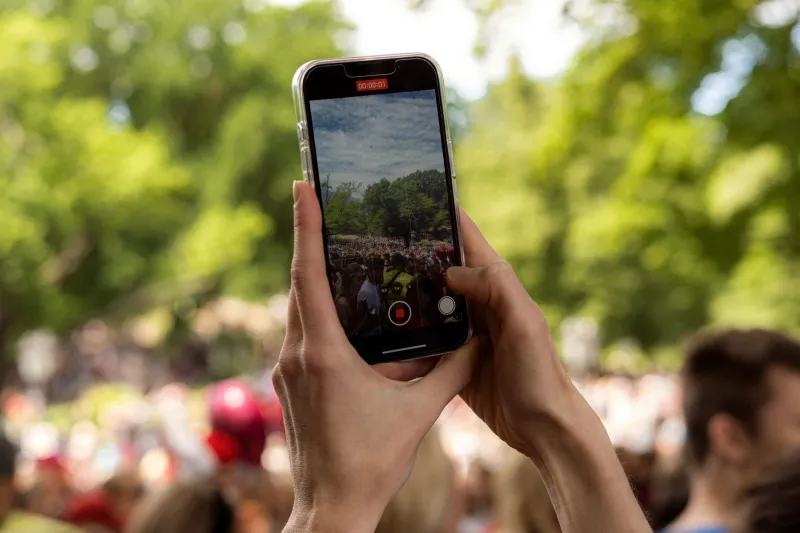
Most people spend years grinding for a break that never comes. Then there's the other kind of story — the one where somebody points a phone at the right person at exactly the right moment, hits post, and the internet does the rest. Sixty seconds. Sometimes less. Enough to change everything.
We've all seen it happen. A teenager singing in a car. A street performer stopping a crowd cold. A kid in a hoodie freestyling on a park bench. The clip goes wide, the comments explode, and suddenly a name nobody knew last Tuesday is trending by Thursday morning. It looks like magic. It kind of is. But there's also something else going on underneath all of it.
The Clip That Doesn't Know It's a Clip
Here's the thing that almost every breakout video has in common: the subject isn't performing for the camera. Not really. The best ones carry this quality of genuine unawareness — a rawness that polished content just can't fake. Viewers can feel the difference in about half a second. When someone is playing to an audience, you sense it. When they're just doing the thing and somebody happened to catch it, that's when the share button gets dangerous.
Think about the mechanics of why that matters. Short-form platforms — TikTok, Instagram Reels, even YouTube Shorts — are built on scroll velocity. You've got roughly three seconds to stop a thumb before it keeps moving. Authenticity is one of the few things that actually does it consistently. A technically impressive performance can earn a like. A genuinely unguarded moment earns a repost, a duet, a stitch, a comment thread that runs to four hundred replies. That's the difference between a clip that peaks and dies and one that keeps finding new rooms.
Luck Is Real, But It Has a Dress Code
Let's be honest about the role of chance here, because glossing over it does a disservice to everyone who's watching and wondering why their video didn't pop. Timing is brutally real. The same clip uploaded on a Tuesday afternoon during a slow news cycle and a Friday evening when three other things are competing for attention will perform completely differently. Platform algorithms are not neutral referees — they reward early engagement velocity, and early engagement is partly just about who happens to be online when you post.
But here's what's also true: the people whose clips actually launched careers weren't entirely unprepared for what came next. Most of them had been doing the thing — singing, cooking, performing, building, creating — long before anyone filmed it. The clip was a door. They'd already been standing in the hallway.
That's the part the overnight success narrative tends to skip. It compresses years of practice into a sixty-second highlight reel and calls it a beginning. Which makes for a great story, but it also quietly obscures the actual work that made the moment possible in the first place.
What the Algorithm Saw
Platform mechanics matter more than most people want to admit. The clips that launched careers didn't just resonate emotionally — they also happened to hit at a moment when the algorithm was hungry for exactly that type of content.
TikTok, for instance, has gone through distinct phases in what it amplifies. Early on, it pushed raw, unproduced content hard because it needed volume and diversity to build its recommendation engine. That created an environment where a completely unknown creator with zero followers could land on thousands of For You pages overnight — something that's genuinely harder to replicate at scale now that the platform is more mature and more crowded.
Instagram Reels had its own window, especially during the period when Meta was aggressively trying to compete with TikTok and was essentially paying creators in reach to post short video. YouTube Shorts is still in a growth phase where the algorithm is actively looking for new voices to surface.
The people who caught a wave often caught it because a wave was actually there. That doesn't diminish what they did with it. But it does mean that replicating those exact conditions in 2025 requires a different kind of thinking than it did in 2020.
After the 60 Seconds End
Going viral and building a career are two very different things, and the gap between them has ended more promising moments than any algorithm ever did. The internet's attention is fast and it is fickle. A clip can earn someone two million views and three hundred thousand new followers in a week, and if there's nothing behind it — no follow-up content, no clear identity, no sense of what this person actually is — those followers drift away just as fast as they arrived.
The breakout stories that actually stuck — the ones where the clip was genuinely a beginning rather than a peak — almost always involved someone who moved quickly and intentionally. They posted again within days. They established a lane. They treated the viral moment as an introduction rather than a destination.
Some of them also got lucky in a second, quieter way: they found the right people. A manager who understood short-form ecosystems. A brand partnership that fit naturally rather than feeling like a cash-out. A community that formed around them and gave them somewhere to go after the initial wave broke.
The Sixty-Second Audition Isn't Going Anywhere
What's genuinely new about this era is that the audition is now always available. You don't need a connection, a submission, or an industry gatekeeper to give you a shot. The shot is just there, waiting, every single time you pick up a phone.
That's a remarkable thing. It's also an overwhelming thing, because it means the competition is essentially everyone, all the time, everywhere. The clips that still break through and actually change someone's trajectory are the ones that remind you why the whole thing started — because somewhere, right now, somebody is doing something real, and someone else is watching, and for sixty seconds, that's more than enough.
Every second counts. Even the ones that look accidental.